COMPARE
Add product to compare
COMPARE
Add product to compare
Enable Cookies
Our website uses cookies, pixels, and similar technology (“Cookies”) to improve your online experience. By clicking “Accept All,” you consent to our use of all Cookies to personalize your experience, serve targeted advertisements, perform analytics, and for other business purposes. You may block some Cookies by clicking “Reject,” or change your cookie settings by clicking “Preferences.”
By using our website, you acknowledge this notice, and by clicking “Accept All,” “Reject,” or “Preferences,” you agree to our Website Terms of Use. See our Cookie Notice and Privacy Policy to learn more.
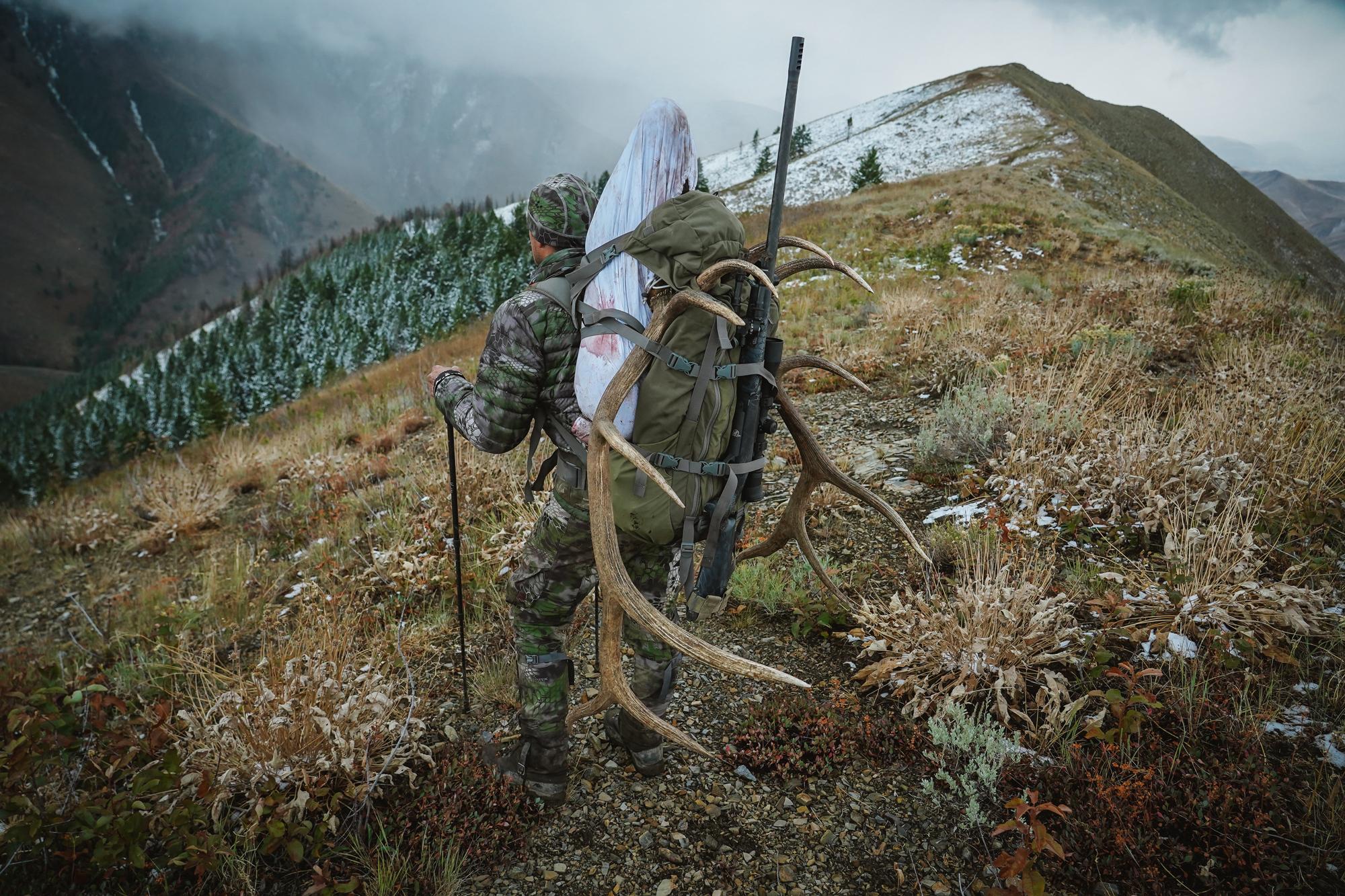
Archery season can be painful. Hot, dusty, no water, and maybe a heartbreaking close call or two. After a few weeks of getting your butt kicked in the early season, it’s about time to bust out the rifle and hopefully start filling some tags. That usually means swapping early-season gear for your mid-season kit, and if your garage or gear room looks like a bomb went off right now, you’re in good company. Along with heavier base layers, this is a good time to clean and condition your early-season boots and think about what’s going on your feet for the next stretch of the season.
Quick Answer
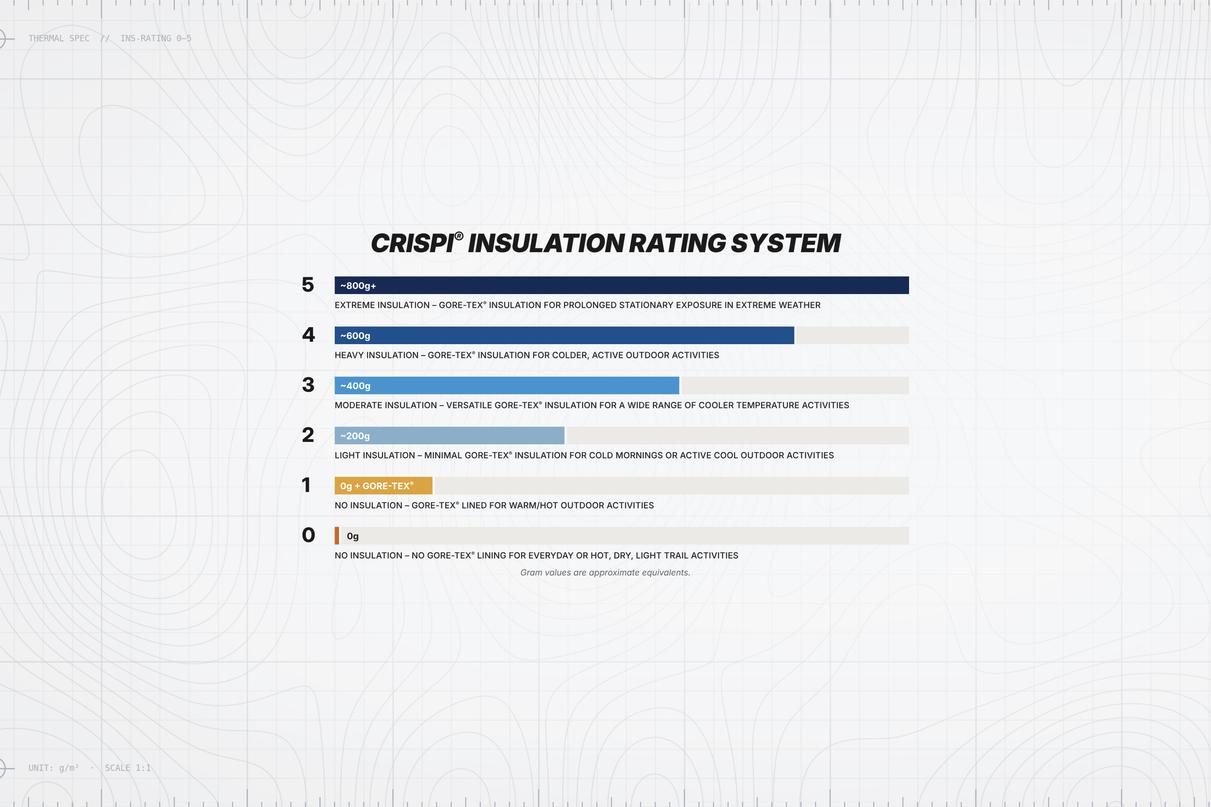
Most mid-season hunters are best served by a non-insulated GORE-TEX® boot or one with light insulation. That’s Level 1 (no insulation, GORE-TEX® lined) or Level 2 (~200g) on the CRISPI® Insulation Rating System. Most hunters’ feet run warm, mid-season hunts are active, and the weather usually isn’t brutally cold yet. Pair that with a 2.5 to 4 on the CRISPI® Flex Rating System, depending on your pack weight and terrain. CRISPI®’s mid-season picks:
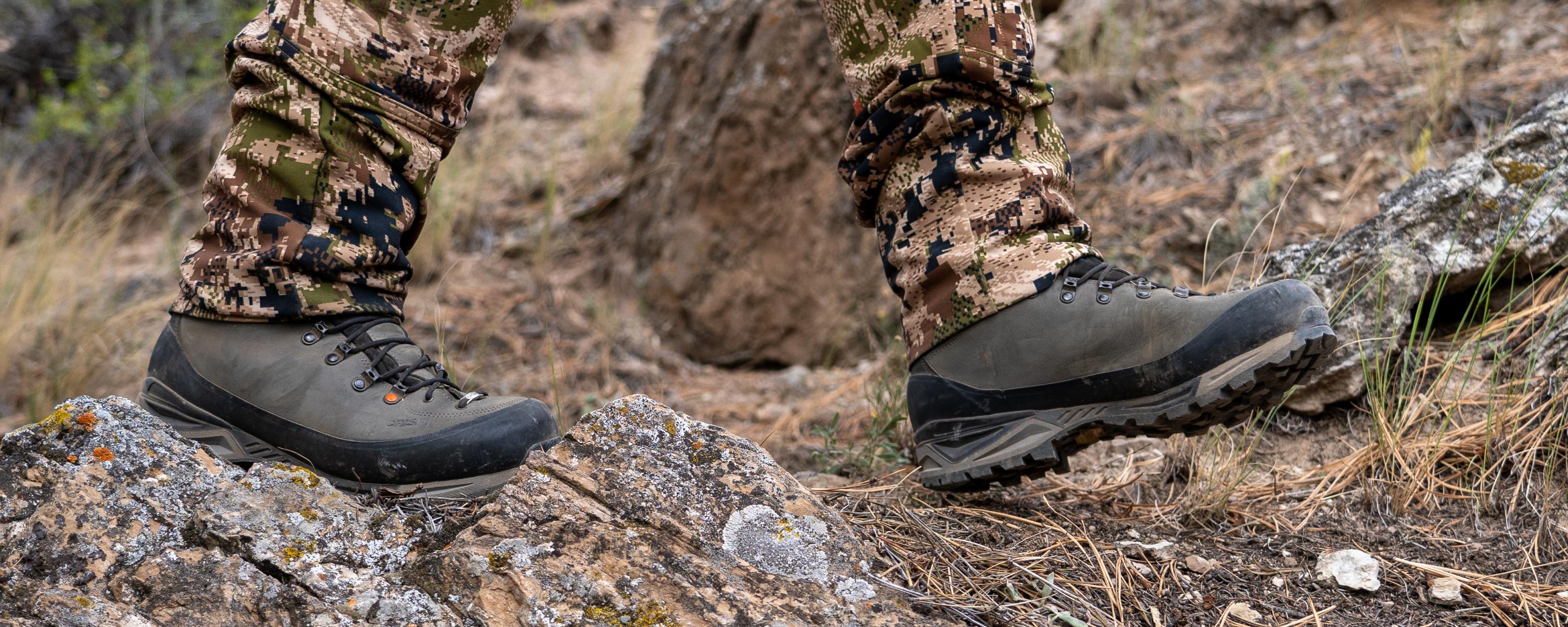
Mid-season asks a lot of a boot. On a single trip, you might see a 50–60 degree swing between a frosty dawn and a warm afternoon. Over the season, that same boot could chase elk and deer in steep mountain country and pheasants through cut cornfields. Versatility is the name of the game, and a few features matter most:
Support for heavy pack-outs. You want enough ankle support and midsole stiffness to stay stable with meat on your back in rough country. That’s what our flex number tells you. Most mid-season boots land between a 2.5 Flex (Soft/Moderate) and a 4 Flex (Moderate/Stiff) on the CRISPI® Flex Rating System. Go softer for lighter loads and rolling country, and stiffer for heavy packs and steep, broken ground. A boot’s flex comes from the whole build working together: the upper, the CRISPI® Dynamic Frame and the sole. That’s why a CRISPI® boot can carry a load and still feel comfortable on the walk in.
Durable construction. Mid-season means brush, rock, frost, and mud. A quality leather or premium synthetic upper with a protective rubber rand holds up to all of it.
Waterproof protection. Frosty grass, wet snow, and creek crossings are part of the season. A GORE-TEX® lining keeps water out and feet dry.
The right amount of insulation, which is usually less than you think. Most hunters overdo it. More on that next.
“What level of insulation do I need?” is one of the most common questions we get. For mid-season, the honest answer for most guys is less than they expect. Most hunters’ feet run warm, mid-season hunts tend to be active, and the real cold usually hasn’t set in yet. For the majority of hunters, that points to a non-insulated GORE-TEX® boot or one with light insulation.
A few things can shift that answer:
Activity level. If you’re hiking, glassing and covering ground, your feet make plenty of their own heat. Non-insulated is often the right call. If you’ll spend long hours on stand or in a blind, light insulation makes sense.
Your body. Everybody runs a little hot or cold. If your feet always run cold, lean toward light insulation. Circulation and hydration play a big role too, and drinking plenty of water pays off in comfortable feet.
The kind of cold. Air temperature does a poor job of describing how cold it actually feels. A heavy, damp 30-degree morning in a Midwest treestand feels much colder than a crisp, sunny 30-degree morning glassing for elk out West.
That’s why we’ve always said to be wary of any boot with an exact temperature rating. One number can’t account for all of that. Instead, we rate every boot on the CRISPI® Insulation Rating System, a 0–5 scale. The two levels that cover most mid-season hunting:
| Level | Insulation | Approx. Equivalent | Best For |
|---|---|---|---|
| 1 | No insulation, GORE-TEX® lined | 0g | Active hunts, warm-footed hunters, and typical mid-season temperatures: hiking, glassing, spot-and-stalk, upland |
| 2 | Light | ~200g | Cold mornings, more sitting, or hunters whose feet run cool |
Gram values are approximate equivalents.
As a rule of thumb, if you’re moving more than you’re sitting, start with Level 1. If you’ll be sitting through cold mornings or your feet tend to run cool, go with Level 2 (~200g). Heavier insulation is usually best saved for late season.
Here’s why overdoing insulation backfires. Too much insulation on the hike in makes your feet sweat. Once you stop to glass or sit, that moisture turns cold, and a damp foot is a cold foot. A boot that’s a little cool while you’re moving usually keeps you warmer over the whole day than one that’s too hot on the walk in.
Breathability is what keeps feet dry. A GORE-TEX® lining keeps water out while letting perspiration escape. In our insulated boots, CRISPI® takes it a step further. Instead of bonding the GORE-TEX® bootie solid to the upper, which can seal it off and trap moisture, we spot-glue it at strategic points so it can breathe the way it was designed to. Moisture gets out, your feet stay dry, and dry feet stay warm.
| Boot | Height | Flex Rating | Insulation Rating | Upper | Weight (per boot, size 9) |
|---|---|---|---|---|---|
| Nevada Non | 8" | 3 (Moderate) | Level 1 (Non-insulated) | Water-repellent nubuck | 1 lb 13 oz |
| Nevada Legend | 8" | 3 (Moderate) | Level 2 (~200g) | Water-repellent nubuck | 1 lb 13 oz |
| Guide Non | 10" | 3 (Moderate) | Level 1 (Non-insulated) | Water-repellent nubuck | 2 lbs 1 oz |
| Guide | 10" | 3 (Moderate) | Level 2 (~200g) | Water-repellent nubuck | 2 lbs 1 oz |
| Briksdal Pro | 10" | 4 (Moderate/Stiff) | Level 2 (~200g) | Water-repellent nubuck | 1 lb 15 oz |
| Briksdal MTN | 9" | 3 (Moderate) | Level 1 (Non-insulated) | Brushed microfiber synthetic | 1 lb 11 oz |
| Lapponia Pro | 9" | 2.5 (Soft/Moderate) | Level 1 (Non-insulated) | Water-repellent nubuck | 1 lb 6 oz |
The Nevada and Guide are our go-to all-around mid-season boots, and each comes two ways. That makes the choice simple: pick your height, then pick your warmth. Both are a 3 Flex (Moderate) with a water-repellent nubuck upper, a Vibram® Megagrip outsole and a CCF midsole, which is CRISPI®’s own polyurethane shock-absorbing midsole. Both also have the Ankle Bone Support System (A.B.S.S.) to cradle the ankle on side-hills. The 8-inch Nevada is the lighter, quicker option. The 10-inch Guide adds two inches of support and protection in snow and brush.
The Nevada Non and Guide Non are non-insulated with a GORE-TEX® Waterproof Performance Lining. They’re the right pick for most active mid-season hunters. The Nevada Legend and Guide add light, ~200g insulation for cold mornings and longer sits. If you want one boot to cover most of your fall, start here.
The Briksdal Pro is a 10-inch, 4 Flex (Moderate/Stiff) boot with light, ~200g insulation, built for heavy loads in steep, broken country. It fits slightly narrower with a lower-volume feel than the Nevada or Guide. Its asymmetrical lace-to-toe system lets you dial in the fit, and a stretch nylon tongue adds comfort. If you have a narrower foot and plan to pack out heavy, the Briksdal Pro is our recommendation. It’s also compatible with our strapless gaiter attachment system.
The Briksdal MTN gives you the structure and support of a mountain boot in a lighter, full-synthetic package. It’s a 9-inch, 3 Flex (Moderate) boot with a brushed microfiber upper and a full rubber rand. Underneath is a Vibram® Megagrip outsole and the EFX midsole, CRISPI®’s own Elastoflex-based shock-absorbing midsole. It’s non-insulated with a GORE-TEX® Waterproof Performance Lining and weighs 1 lb 11 oz per boot, which makes it a strong choice for hunters who cover big miles and want to save weight without giving up support. A.B.S.S. and strapless gaiter compatibility round it out.
The Lapponia Pro is the lightest boot on this list at 1 lb 6 oz per boot. It’s a 9-inch, 2.5 Flex (Soft/Moderate) leather boot with a water-repellent nubuck upper, A.B.S.S., and a non-insulated GORE-TEX® Waterproof Performance Lining. A CRISPI® Full Control outsole by Vibram® gives it confident grip across mixed terrain. It’s ideal for upland hunts, rolling country, and hunters carrying lighter loads who want a boot that feels great from the first mile.
Not sure about sizing? Our guide on how your hunting boots should fit walks you through it step by step.
No matter which boot you choose, a few habits make a big difference this rifle season:
Wear quality merino blend socks, and change them. A good merino blend, like our CRISPI® hunting socks, wicks sweat and stays warm even when it’s damp. Still, even the best sock works better fresh. If your feet sweat on the walk to your stand, change socks once you get there. If you’re hiking all day, swap them at midday. Keep a Ziploc in your pack for the used pair. A fresh, dry pair of socks will do more for warm feet than extra insulation.
Wear gaiters. A good gaiter keeps moisture and debris out of your boots, so you stay drier, more comfortable and hunting longer. The CRISPI® Alto Gaiter attaches directly to compatible CRISPI® boots without an under-foot strap. That means no broken straps and no ball of ice under your boot.
Take care of your boots. Clean them after the hunt and treat leather boots regularly with CRISPI® Waterproofing Cream or CRISPI® Waterproofing Spray for your synthetic boots. Just like your truck or rifle, proper maintenance keeps your boots performing season after season.
Most hunters don’t. If you’re active and your feet run warm, a non-insulated GORE-TEX® boot (Level 1 on the CRISPI® Insulation Rating System) is usually the most comfortable choice for mid-season. Go with light ~200g insulation (Level 2) if you’ll be sitting through cold mornings, you know snow and colder temperatures are coming, or your feet run cool.
Ask yourself whether you’ll be moving or sitting more. Hiking, glassing, and spot-and-stalk hunting usually a non-insulated boot works well. Treestand and blind hunting on cold mornings usually call for ~200g. When in doubt, most hunters do better erring on the lighter side and changing socks.
For many hunters, yes. Boots like the Guide and Nevada handle everything from mountain elk hunts to upland fields. If you spend more time sitting in the cold, the insulated versions are the same boot with light ~200g insulation. It really comes down to personal preference and knowledge about whether your feet run hot or not. The type of hunting you will be doing. Will you be moving a lot? Will you be glassing for a couple of hours? Will you be sitting in a tree stand?
If you have questions about gaiters, socks, any of the boots above, or other CRISPI® products, give us a call. We’d love to chat and help you out. 844-527-4774
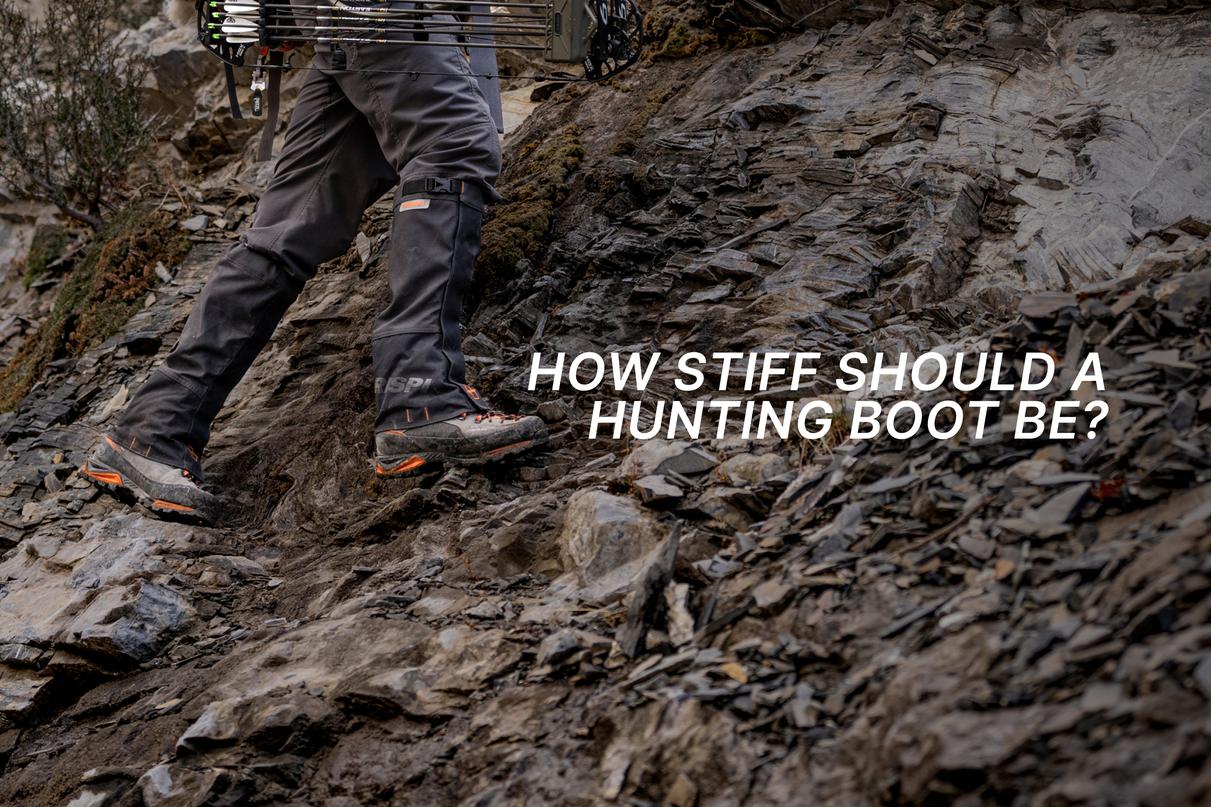
You don't need to understand how a boot is built to choose the right stiffness. You just need to know the terrain you hunt.
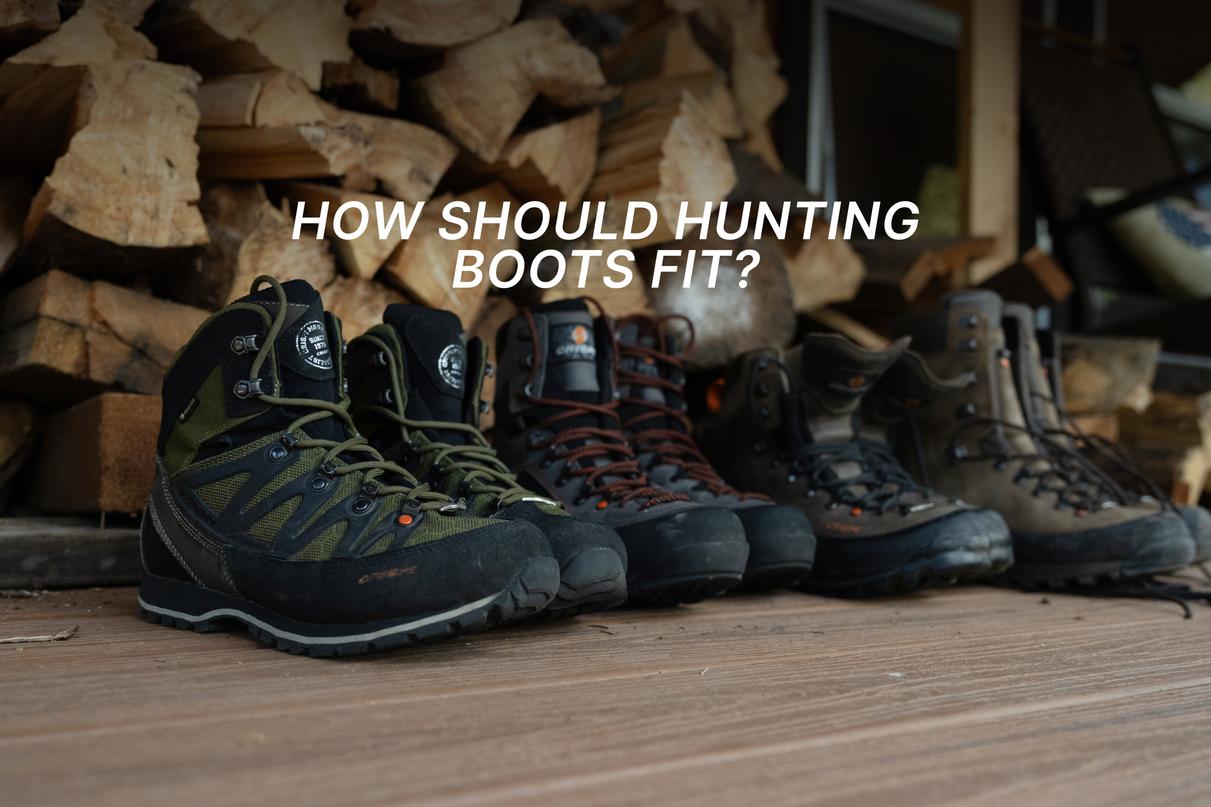
You just spent serious money on a premium pair of mountain hunting boots. You hit the backcountry, and by day two, your heels are shredded, your toes are bruised, and your hunt is compromised. Sound familiar?